

Articles containing: ADHD
CBT Snapshot: Using Cognitive Behavior Therapy for ADHD
Cognitive Behavioral Therapy (CBT) is an evidence-based kind of talk therapy that can help those struggling with mental health challenges. In this series, Dr. Ellen Braaten gives a glimpse of how CBT can be used to treat a range of mental and behavioral health disorders, including CBT for ADHD.
Second Generation Antipsychotic Medications: An Overview

As child psychiatrists, we prescribe medications. As medicines go, perhaps none are more controversial than the use of second generation antipsychotics. For at least the last 15 years, concerns about these particular medications have characterized a good part of any discourse I’ve had with parents in the office or on the lecture circuit.
My Son Was Diagnosed With ADHD. How Do I Talk to Him About It?

Question: My son was just diagnosed with ADHD. How do I talk to him about it?
Dr. Braaten’s Answer:
Educating yourself is a great way to prepare for this conversation, and there are a lot of resources on our website to get you started.
Medications: For Better or Worse? featuring Timothy Wilens, MD – Shrinking It Down

Tune in wherever you get your podcasts. Just search for “Shrinking It Down.”
Many parents of kids struggling with a mental health issue have concerns – even fears – about medication as a part of treatment. Will it help? Will it hurt? What are the side effects? Today, Dr.
Ask Ellen: How to Advocate for Your Child’s Learning
A learning disability causes difficulty in an area of learning, such as reading, writing, or math. Challenges in one or more of these areas can affect a child’s ability to thrive in the classroom. But it’s not always clear to parents what to do when their child is struggling.
Bipolar Disorder and The Arts: Mark Vonnegut’s Story
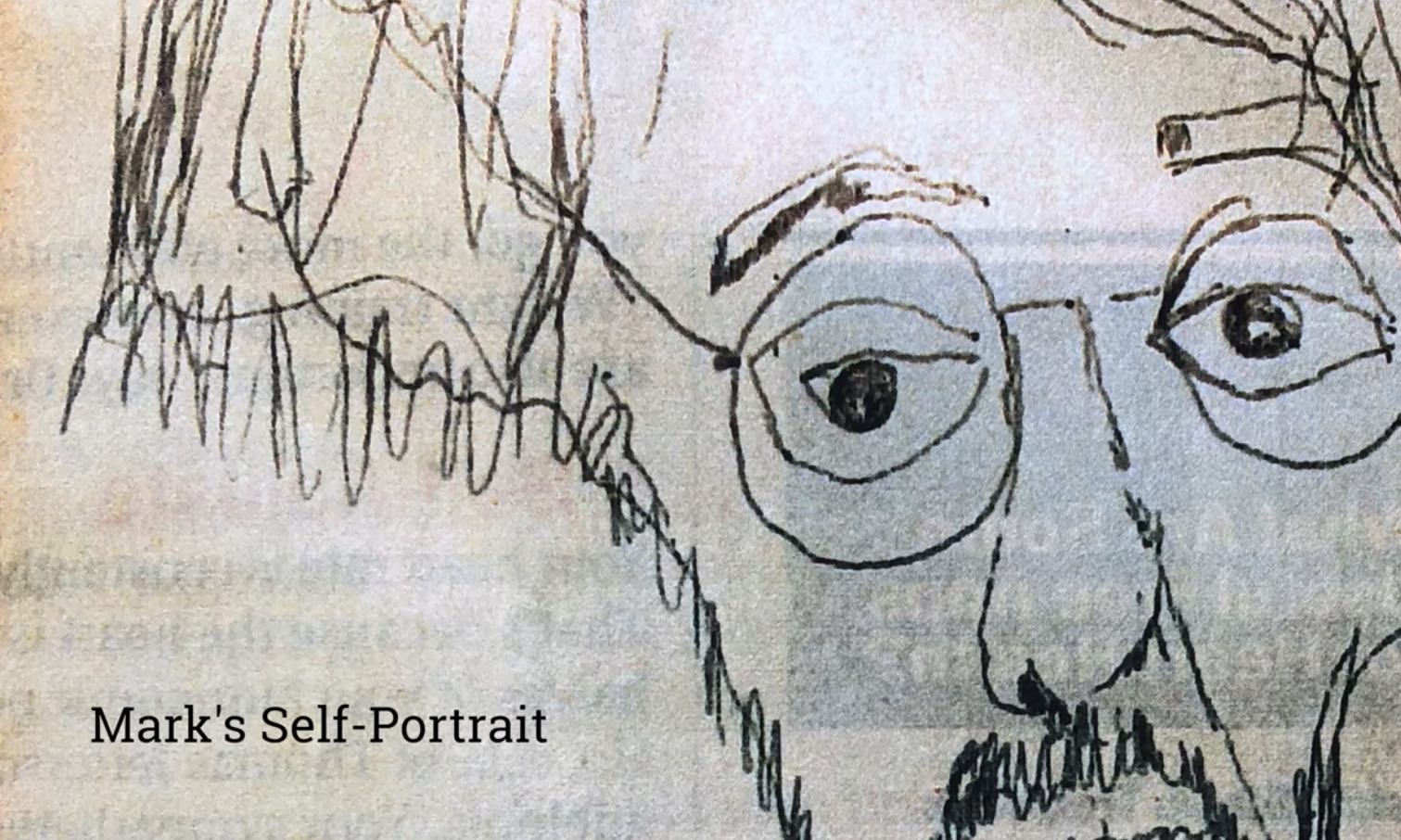
Despite our growing awareness of mental health conditions, the relationship between creativity and mental illness is often misunderstood. In this short film, Dr.
Nature Vs. Nurture, featuring Jordan Smoller, MD ScD – Shrinking It Down

Is it always nature vs. nurture, or do the two interact? Many parents worry that their own or a family member’s mental health disorder destine their children to struggle in the same way. But, while many psychiatric disorders do run in families to some extent, so do lots of things! Right down to food preferences and professions.
Extra Time on Tests: Does It Work? – Shrinking It Down

The answer is, it depends.
When “extra time” on tests first began decades ago, the goal was to level the playing field for students with learning disabilities by allotting them the same amount of time that everyone else had.
What Is A Nonverbal Learning Disability?

A nonverbal learning disability (NLD) is a syndrome that includes challenges in visual-spatial organization, nonverbal problem solving, and social skills. Despite often having strong verbal abilities, children with NLD have trouble understanding humor and adapting to new situations.
9 Ways to Know If Your Child’s Mental Health Clinician Is Right for Them

As parents, we all want the very best for our kids – the best teachers, coaches, and health professionals, among others.
About one in five of our children, teenagers, and young adults will experience a mental health issue and ideally receive mental health care.
Newsletter
Subscribe Today
Your monthly dose of the latest mental health tips and advice from the expert team at The Clay Center.
SubscribeMultimedia


Interest By Age
 Grade School
 Teenagers
 Young Adults
 Families