

Teenagers
Living in Fear of Criticism and Humiliation: The Problem of Social Anxiety Disorder

Most kids and young adults look forward to going back to school. But for those with social anxiety, school and all that comes with it can literally provoke dread.
I’m going to show you what I mean. Let’s consider Sally.
Sally is a sweet, sensitive, likeable 16-year-old girl.
“You would do it if you loved me.” Teens, Coercive Relationships, and Digital Media

You would have to be completely unplugged to have missed the heightened reports of sexually coercive behavior among celebrities, prominent media figures, and politicians. Indeed, the seemingly sudden explosion of public knowledge of these deplorable actions might lead you to believe that we are encountering a new phenomenon.
What Is An Adjustment Disorder?

My friend Samantha called me in a panic. Her 8-year-old daughter, Lindsey, was struggling with the fact that her parents were getting divorced. There had been a lot of conflict in the marriage. Samantha’s ex-husband was an alcoholic and, though he was receiving treatment, he had been frequently unemployed.
Older Not Wiser: Senior High School Drivers Take More Risks Than Younger Teens According to New Study

Back to school.
For seniors, it’s often a stressful time as they prepare for a new era in life after high school, but also one of enthusiasm as they feel a greater sense of confidence and autonomy.
It’s also a time parents worry more – about their teens’ future and about risky behaviors.
Would You Allow Your Child To Play Football?
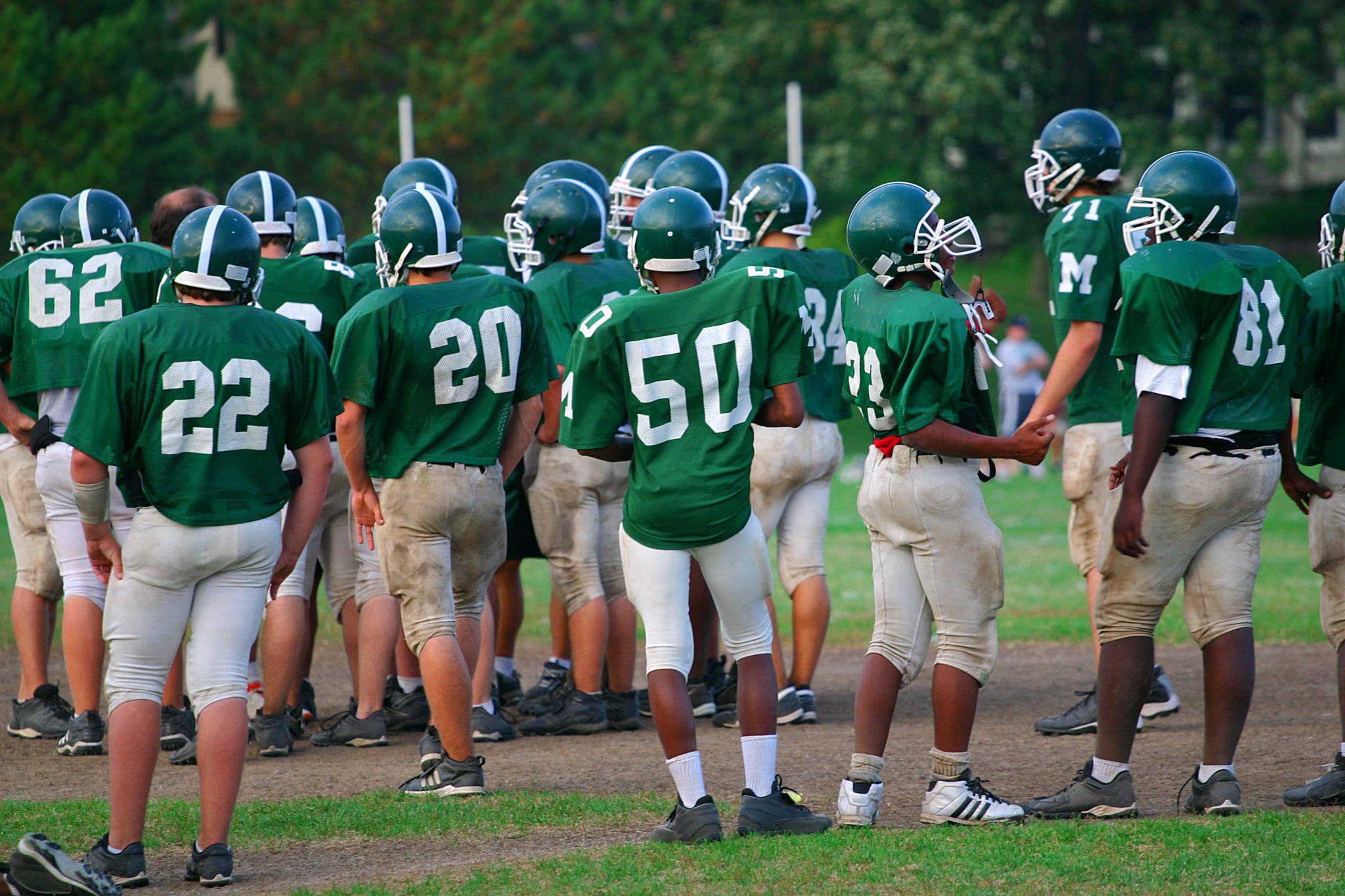
Here in New England, it’s getting just a little bit cooler. The shadows are growing longer, and there’s the tiniest sting to the morning breeze. I know that in other parts of the country it’s still pretty hot, but I bet folks are realizing some kind of change in the air.
After all, fall is just around the corner.
Managing Back-To-School Stress

Hans Selye, a Hungarian scientist who was a pioneer in modern stress research, was quoted as saying:
“It’s not stress that kills us, it is our reaction to it.”
Today, 75 years after he made that statement, it rings as true as ever.
How To Tell If Your Child Is Stressed This Summer

Summertime…and the kids are stressed out.
That’s not exactly the song that most of us might remember as we welcome the seemingly carefree days of summer vacation. Still, summer can be surprisingly stressful for children and adolescents.
Driving Dyslexia Away

A young NASCAR star and his parents discuss his triumph over dyslexia, and the Clay Center team provides guidance on what you can do if your child has learning differences.
Includes a roundtable discussion with Drs. Gene Beresin, Ellen Braaten, and Steve Schlozman on the topic of dyslexia beginning at 3:07 of the segment.
Combating Mental Health Stigma

A look at why and how the stigma of mental illness persists in the African American community—among both young people and their families—and what some are doing to address it.
When Kids Leave Home: Part 1

This is the first blog post in a two-part series on adolescents’ transition to the “real world.”
To view the second blog post, click here.
Intro music written and performed by Dr. Gene Beresin.
Outro music arranged and performed by Dr. Gene Beresin.
Multimedia


Interest By Age
 Grade School
 Teenagers
 Young Adults
 Families
Newsletter
Subscribe Today
Your monthly dose of the latest mental health tips and advice from the expert team at The Clay Center.
Subscribe