



Holidays on a Tight Budget, Part 1: Gathering

Posted in: Podcast
Topics: holidays, Parenting, Relationships, Stress
How do you keep the holidays meaningful when everything costs more?
This holiday season, many families are paying more for groceries, gas, travel and just about everything else. In the first of a two-part series on Shrinking It Down: Mental Health Made Simple, Gene Beresin, MD, MA, and Khadijah Booth Watkins, MD, MPH, look at what that stress means for families who want to come together. Drawing on their clinical work and their own family lives, they explain how money worries show up in parents, young children, school-age kids and teens, and the signs that a child may need more support. They also discuss how to talk honestly with kids about money in ways that fit their age.
Listener questions guide much of the conversation, from how to handle unplanned college debt without resentment to how to keep traditions going on a budget. Gene and Khadijah offer creative ways to gather for less, make room for the grief and mixed emotions the season can bring, and remind us that asking for help is a lesson worth modeling for our kids.
For parents, caregivers and anyone rethinking the holidays this year. Tune in now!
Media List
- Home for the Holidays: Facing Empty Chairs at the Table (MGH Clay Center)
- Holidays on a Tight Budget, Part 2: Giving (Shrinking It Down), coming soon
- Send us your questions for Part 2: MGHClayCenter@partners.org
- What to Look For, When to Worry, What to Do: An Approach to the Mental Health of Your Kids, Teens and Young Adults (MGH Clay Center)
Resources
- Find Your Local Food Bank (Feeding America)
- 211: call or text 211 for local help with food, housing and utilities
- 988 Suicide & Crisis Lifeline: call or text 988
Episode music by Gene Beresin
Episode produced by Masha Mesyef
Holidays on a Tight Budget, Part 1: Gathering — Episode Transcript
This transcript has been lightly edited for clarity and readability.
Gene Beresin (00:29): Welcome back to Shrinking It Down: Mental Health Made Simple. I’m Gene Beresin.
Khadijah Booth Watkins (00:32): And I’m Khadijah Booth Watkins.
Gene Beresin (00:34): We’re two child and adolescent psychiatrists at the Clay Center for Young Healthy Minds at Massachusetts General Hospital. So Khadijah, I gotta tell ya, I went to the grocery store and I was in sticker shock. I mean, now I’ve got chickens, literally, but they’re not laying. It’s getting too cold. So I had to buy eggs. What?
Khadijah Booth Watkins (01:01): There is a lot of sticker shock, and it’s not just the grocery store. As I’m thinking about what we’re going to do for the holidays, I’m looking at flights, or thinking maybe we’ll drive, but then there are the gas prices. The sticker shock is everywhere. And especially as we get into the holidays, when the grocery bill is inevitably going to go up for many people, we’re all kind of stunned. Deer-in-the-headlights stunned.
Gene Beresin (01:26): Well, yeah. Housing, gas, heating. I just had to start heating at night. Healthcare all costs more than it did last year, and paychecks aren’t keeping up. Nearly half of the people in the United States can’t afford the true cost of living and don’t have the resources to live in their community. And I think, not to go political, because we have to stay away from that a little bit—
Khadijah Booth Watkins (01:51): Imagine. Imagine you not going political.
Gene Beresin (01:54): But you know something? The midterm elections did speak louder than words. People are ready for some kind of correction.
Khadijah Booth Watkins (02:06): Yeah. We’re all under a lot of pressure. Parents are working really hard. Kids are working hard in school, trying to get good grades or preparing to go to the next level of education. So we’re all pretty stressed and stretched pretty thin, and the sticker shock is making it all the worse. As parents, we want the holidays to feel special, for our kids and for ourselves. We want them to feel meaningful, like a nice break. And then you go into the grocery store and everything just costs so much more.
And a lot of times, our kids are feeling the stress that we have. As we’ve always said, they kind of cue off of us. They feel our anxiety.
Gene Beresin (02:45): They do.
Khadijah Booth Watkins (02:46): They vibe off of it. So we have to be really, really mindful not to let it leak out too much. But we’re all kind of stressed and under pressure.
Gene Beresin (02:53): Yeah, and we can talk about how to speak about our own anxieties with our kids. But today we’re starting a two-part series: the holidays on a tight budget. This year, as you said, families are paying more for just about everything. In the first part, we’re going to focus on gathering, since Thanksgiving and Christmas are often times for gathering. Then in part two, we’ll talk about giving and presents, because both of those are affected by the economic situation we’re all under.
Khadijah Booth Watkins (03:25): And going back to what I was mentioning, about all of us feeling stressed and stretched thin, and the fact that our kids are feeling stressed too: we need to start thinking about how we manage that stress. Even when we think we’re doing a really good job of hiding it, our kids are very perceptive. They’re very observant. They pick up on changes in our demeanor, our behavior, our tone, a lot of that nonverbal body language. They’re feeling it.
So in part one, we really want to spend some time talking about how our money worries show up in our kids and teens, when to worry, and how to talk to them about it, because we can’t really hide it from them. And we shouldn’t. We need to think about how we can honestly have these conversations in a way that’s productive and makes them feel included and empowered.
Gene Beresin (04:11): Right. So let’s get practical about the holidays themselves. In particular, for this part, let’s talk about gathering, getting together. That means transportation, housing, the cost of travel, the cost of gas, and what we can do about that: how we can deal with the stress ourselves and how we can talk with our kids about it.
So let’s jump right in. We’re going to break this up by topics, and topic number one is money stress at home. And by the way, one of the things we’ve done for the listening audience is ask for questions from some of our listeners. We’ll intersperse some of the questions folks want to hear the answers to. Not that we have all the answers, but we’ll try to think about them together.
Khadijah Booth Watkins (05:08): Yeah, so we’ll really focus on what concerns you, the audience, and answer some of these questions. Because even in these difficult times, we can hold on to what’s really important to us: the things that are meaningful, our family values, our missions, especially when we’re spending time together. That’s so important. So where are we jumping in?
Gene Beresin (05:29): All right, let me ask you a question. Can you guess how much prices have gone up since last year?
Khadijah Booth Watkins (05:40): It seems like a lot. If I had to pick a percentage, well above inflation, I would say maybe around 10 percent. Maybe things have gone up at least 10 to 15 percent compared to last year.
Gene Beresin (05:51): Well, overall it’s 3.7 percent. Look, I’ve always had trouble with numbers and with data. But if you go online, it’ll say prices are up overall by 3.7 percent. Gas, though, is up by a third. Thirty percent. And paychecks aren’t keeping up with that.
So I think we have to be careful about numbers, but everybody’s feeling the pinch. That’s the most important thing. Let me ask you another question. Do you see concerns about rising costs coming up in your family, or in the patients and families you’re treating?
Khadijah Booth Watkins (06:35): Yeah. I’m surprised at that number, because it doesn’t match what it feels like when you go to the grocery store or to the gas pump. The gas pump feels closer to correct, but that 3 percent—
Gene Beresin (06:46): I just filled up my tank yesterday. It was $4.59 for regular. It feels like a hundred percent to me, because a year ago it was like two and a half bucks, and now it’s four and a half bucks. And I use regular, okay?
Khadijah Booth Watkins (06:51): Gas going up by a third feels like a lot. I guess it depends. Certain things have gone up exponentially, and certain things have gone up just a little bit. But overall, like you said, things have gone up and we’re feeling it. What I hear patients talking about is where they can cut back without making too much of a shift in their family dynamics and their family values. People are thinking about where they can cut at the grocery store. Maybe they’re buying different brands. And travel: not just the cost of flights and trains, but even if we decide to get in the car and do a road trip, that’s still very expensive now with the price of gas. So what I hear families talking about is, what are we going to cut back on? Maybe we won’t do a big holiday gathering. Maybe we’ll have fewer items on the table. Maybe we won’t get in the car and go to grandma and grandpa’s house.
And these are the things we look forward to all year: those big gatherings and the connections with family we don’t get to see very often. That’s what I hear people talking about in terms of what they may be weighing.
Gene Beresin (08:08): And to look at it another way, think about what we and our kids are seeing. When you watch TV, everybody’s getting into the holiday spirit, gathering together, having meals together, meeting and greeting. And it’s just not going to happen for some families. We’re all stressed about money.
Khadijah Booth Watkins (08:32): What are you seeing in your practice, or in your daily life in particular?
Gene Beresin (08:36): I’m hearing that families have to explain to their kids that they can’t go to grandma’s house for Thanksgiving, or that they can’t have the same kind of meal they had in the past. They have to make decisions. Do we go? Do we stay home? How do we deal with it?
But before we even get into that: at the Clay Center, we focus on the three W’s. What to look for, when to worry, and what to do. So before we get into the details of how we manage the situation, what do we look for when we think our kids are under stress?
Khadijah Booth Watkins (09:25): A lot of times, we can feel stress in our bodies. Sometimes we have a lot of physical symptoms or complaints, like headaches or stomachaches, or just that general feeling of being tired and exhausted. We can also find that our appetite changes. Maybe we’re eating a little less than we normally do, or maybe some of us are stress eaters.
Gene Beresin (09:42): Now you’re talking about us as adults, right? Not the kids.
Khadijah Booth Watkins (09:46): You can see that in both kids and adults. But if we want to talk about just adults—
Gene Beresin (09:52): Yeah, let’s talk about adults first, and then we’ll talk about the kids.
Khadijah Booth Watkins (09:55): Some of the things I hear adults saying is that they feel shorter-tempered, like their fuse is shorter. They’re a little more irritable, a little crankier, a little quicker to snap and be angry, when that’s not normally their baseline. Adults can also have trouble sleeping. When you’re worried, the worries go with you at night. You’re thinking about how you’re going to make ends meet, what you’re going to cut out, how you’re going to keep everybody happy. Those things circle over and over in your mind when you’re trying to go to sleep, so it’s hard to fall asleep.
Adults can also avoid opening bills, going to the grocery store, or even going to the gas pump, because that’s where the anxiety hits, when you see the cost of some of these things. And sometimes, being so overwhelmed, adults just want to be quiet and go into themselves, which is not always the best thing. They become a little more withdrawn and a little more isolated. Maybe they’re not hanging out with friends, or not doing things with family the way they used to, because maybe they also don’t enjoy things the way they used to. So these are some of the things stress looks like in adults.
Gene Beresin (11:01): And let’s also not forget that adults can have physical signs and symptoms, like headaches, back pain, fatigue, and changes in appetite. Changes in typical bodily functions.
Khadijah Booth Watkins (11:20): And that’s why it’s so important for us as adults to pick up on when we’re feeling stressed and overwhelmed. Again, our kids will cue off of us, and that anxiety will bleed and leak onto them. So it’s so important for us as parents and caregivers, like we say all the time, to make sure we’re taking care of ourselves, putting on our own oxygen mask first. That’s the first and best step in taking care of our kids.
So I guess this is what it looks like in adults. What does it look like in kids?
Gene Beresin (11:51): It’s different for different ages. For young children, preschoolers and young kids, you might see temper tantrums, regression, bedwetting, being clingy, being irritable. In other words, regressing back to earlier stages, when things were not so much in their control.
Khadijah Booth Watkins (12:15): They might want to start sleeping with you again, co-sleeping, when they used to be able to sleep on their own.
Gene Beresin (12:19): Absolutely. If they’re upset, toddlers will climb into bed with you, and your four- or five-year-old might do the same thing. In a time like this, if they do, I would say we should give them a little more TLC, because if they’re stressed, they’re going to need that.
School-age kids, say 6- to 12-year-olds, are more irritable. They may be more oppositional. They may refuse to do things they always used to be able to do, like going to bed on time or getting up and going to school in the morning. They often have physical symptoms like headaches and stomachaches, just like the younger kids. And they worry that bad things are going to happen, because they tend to be very self-centered and they don’t see the big picture.
Adolescents, on the other hand, are more sophisticated. They’ve probably heard a lot through social media or other digital media about the current state of affairs, and they’re worried. Their developmental task is to separate, become autonomous, individuate, be on their own. And yet, when things are really stressful, can they really afford it? Do they feel guilty about going to sports events or concerts, getting out, or driving the car when they know what gas costs? Many of them will be really challenged, feeling the need to do separate, independent things while also feeling the constraints within the family. Are they being a burden? So they’re torn. When they’re facing those kinds of things, it provides a basis for us to have conversations with them.
Khadijah Booth Watkins (14:29): And some kids are a little more articulate. They’ll come right out and say, “I’m worried. I’m nervous.” My son doesn’t have this issue, but kids may even begin to ask about finances: “Can we afford this? Are we poor? Is it okay if I buy this, or go to this place?” They’re picking up on the fact that we’re being a little more mindful and thoughtful with our spending. And some kids might just go into themselves, go quiet, and shut down.
Either way, it’s something we should pick up on, and it’s worth noticing, because awareness is really the first step to being able to advocate and act on your child’s behalf, or on your own behalf, really. Knowing what those signs and symptoms are. So when should a parent act, because something more than just a little stress and worry is going on? When should they be worried?
Gene Beresin (15:21): I would say if you see a change in your child, of any age, that lasts more than a few weeks and interferes with activities of daily life, like sleep, school, and friendships; if you see signs of hopelessness; if you see changes that seem to be persistent, that’s the time to talk with your pediatrician or your school guidance counselor, or to get a mental health evaluation, because it may be a deeper kind of problem. Or it may be something not so much related to financial stress, but to other stresses in their lives that need evaluation. It’s the persistence and interference of problems in the life of a child that call for an evaluation.
So here’s where I’m curious, as we think about what to do, and whether we agree: How much should kids actually know about a family’s finances? Let me give you an example. Mike Jellinek was chief of our department of child psychiatry for something like 25 years. I forget exactly when, it must have been 20 or 25 years ago, but we were talking one day about how our patients will tell us all kinds of sketchy stuff. Drugs, sex, rock and roll, you name it. But almost nobody talks about finances: what they make, their net worth, their income, or even their expenses. Money is kind of a forbidden topic. I don’t know about you, but my adult patients will tell me a lot more about their personal, intimate lives, which can get pretty sketchy at times. That’s okay. That’s what we’re here for. But how often do we hear about finances? So if our patients won’t tell us, their confidential therapists, about this, how do we talk with our kids about it?
Khadijah Booth Watkins (17:45): I think it’s tricky, because we don’t want to overburden them and give them too many adult problems, challenges, and worries. But we do want to gradually indoctrinate them, if you will, into the world of adulthood, the world of finances and being financially responsible. I tell parents all the time: you are the expert on your child. You know how much they can and can’t handle, so you start there. But I think you can talk in general terms about what we can do as a family, what we can afford as a family, what’s outside of our reach, and what we do only for special occasions. You set the stage for what we need to do if we want to do things differently. Sometimes there’s flexibility. Sometimes we can decide not to do this because we want to do that. Having that kind of collaborative conversation helps them better understand, which may help them not feel so anxious or worried, because there’s less uncertainty. They know where they stand financially as a family. So I don’t think the conversation should be off-limits. But it should be done with the thought that we’re not trying to put extra burden and worry on them. We’re trying to help them understand how we navigate finances, so it doesn’t feel so taboo and so scary.
Gene Beresin (18:59): Yeah, and if we have to cut back, we could say, “Look, times are hard economically, not just for us, but for the world, for that matter. What can we decide together to spend our money on, and where can we cut back?” And have conversations about what we can cut without feeling deprived. I think those are good general conversations that families can have.
Khadijah Booth Watkins (19:35): How would you have this conversation with a little kid, though? With middle school–age kids and older kids, it’s easier for us as parents to adapt the language and terminology. But the little kids are where a lot of us tend to struggle. How would you talk to a little kid about changes in finances and what we can and can’t do? Or would you talk to a little kid about it?
Gene Beresin (19:54): You don’t have to. Look, my wife took our two grandchildren, who are four and eight, to Savers. Savers is basically a thrift store. They went to get new sneakers. New used sneakers. And they got some fine sneakers. My youngest granddaughter, who’s four, said, “Hey, Kappa,” that’s what she calls me, “look at my sneakers. Aren’t they cool?” And they were cool. They were sparkly and nice. But instead of going to a shoe store where they would have cost a hundred, a hundred and fifty bucks, they went to Savers, the thrift store. And that’s perfectly fine. There was a lot of cool stuff there for them to look at and get. So I think with the youngest children, and with kids of any age, we can do things that cut back without having to explain things they would never understand. A four-year-old’s not going to understand anything about finances.
So, we did get a question from one of our listeners about college debt. This probably hits home for you. Look, I put four kids through college, and I didn’t pay it off for many, many years. I’ll read the question: “College costs have risen as well. Many schools have added fees, increased charges, and increased tuition. This has changed our long-term plans, and we found that we need to have a discussion about taking on debt. It wasn’t originally planned. Our student is most likely going to accept this, but with resentment. How do we find common understanding of how we tackle this, without blame or anger?”
Khadijah Booth Watkins (22:18): Yeah, I am in the thick of it right now. Having sent one to college already, I know that the college sticker price is just the base-model price. It doesn’t include the trips to and from home. It doesn’t include the meal plan. It doesn’t include going down for parents’ weekend. There are so many other fees and expenses, books and all those things we don’t calculate up front. Those hidden fees. So it really becomes a real conversation about college as, to some extent, a return on investment. This is what we can afford. These are the places we can afford to go. And if you want to do more, there are different scholarships, some merit-based, some based on what your major is going to be. There’s lots of money out there, but it does take some work. So we’re talking about what’s on the table, what our options are, and what else the student can do to add more resources toward college expenses.
There are lots of things to talk about, but I think just having an honest conversation is quite meaningful: “This is what we have. I wish we could have had more. I wish we could say you can go wherever you want to go, but that’s just not where we are.” I think most kids will appreciate that you’re being open and honest about it, and that you’re still collaborating with them to get them into a place they want to be, where they’re going to be happy, where they’ll feel like they belong and fit in, where they’ll find community, and where they’ll still get a high-value degree at the end of it. Because that’s really the goal: to get a high-value degree and get a job. That’s also the scary part. The unemployment rate is so high. Kids are going to really great schools and then not able to get a job for four, five, six, eight, ten months after graduation. It’s really tough.
So just have that honest conversation and lay all the concerns on the table. This is a team effort. I have the privilege of being able to help my son pay for college, so it’s going to be a community project. We’re all invested. It’s not a singular decision.
Gene Beresin (24:34): So what you’re suggesting, which I think is correct, is that to avoid resentment and anger, have your kid be part of the decision-making process with you. How much debt is going to be taken on, where they can get student loans, who’s going to pay them off. And maybe come to an agreement or an understanding about that.
For my kids, given the cost of putting four kids through college, and two of them are twins, so that was a double whammy for me, I had conversations with them, and we made the decision together. Mostly it was my decision, but we had discussions about it, and I said, “All right, look. College is on me. Anything after college, graduate school, is on you.” I assumed the debt for college, and it took me a long time to pay it off. They all went to graduate school of one kind or another, and they took on that debt themselves, which is actually a pretty good thing, because if they pay off their debt, they get a good credit rating. So that’s the silver lining. It is a burden, though.
And they all came out of college and moved back home. That’s another whole story, what happens when they don’t get a job. But a few of them moved back for a bit, and then they eventually made their own way.
Khadijah Booth Watkins (26:17): Yeah. I think it starts well before we’re ready to apply to college. It starts with helping them understand the value of a dollar, what it means to have delayed gratification, how to save up for something you want, these bigger projects. Starting with that kind of financial education beforehand. Then, when you start to prepare and think about college, have those conversations early on about what we as a family can afford: “If it’s the goal for us to help you with these loans, this is what we can afford. This is what you can expect after college in terms of jobs.” Really run the numbers so they can see it in a concrete way, because adolescents especially need to see it concretely. It’s hard for them to project into the future and imagine what this would look like.
Gene Beresin (27:02): Okay. So now let’s look at another topic, and that is getting there and hosting. The gatherings themselves. Another question for you: Guess how much airfare has gone up since this time last year?
Khadijah Booth Watkins (27:23): It feels like a hundred percent, but I think I’m exaggerating. I would say at least 35 to 50 percent.
Gene Beresin (27:31): Well, they say online that it’s 22.4 percent.
Khadijah Booth Watkins (27:37): Okay, I was close. I don’t believe it. It feels like it’s higher than that.
Gene Beresin (27:41): But it depends on when you go and what you do. For example, I’m going to the American College of Psychiatrists meeting, and I’m taking the red-eye home.
Khadijah Booth Watkins (27:54): I can’t bounce back from a red-eye like I used to. Oof.
Gene Beresin (27:57): Number one, there weren’t that many flights available, but also, the more affordable ones were the red-eyes. So sometimes you’ve got to do something nasty to yourself. Oh my God.
Khadijah Booth Watkins (28:13): That 6 a.m. flight, that midnight flight. Yeah.
Gene Beresin (28:16): But again, the biggest travel day of the year is usually the Sunday after Thanksgiving, and I don’t think people are going to take the red-eye home with kids. So airfare is going to be a real problem.
Okay, let’s play a game. I’m a parent. My sister’s hosting Thanksgiving four hours away. Flying’s out of the question, gas is up, I’ve got two kids, and money’s tight. Doctor, what do I do?
Khadijah Booth Watkins (28:48): Again, it really goes back to where your values are, how important it is to you to spend time together as a family, and what you’re willing to cut back on leading up to this to make it happen. Four hours away: I don’t know how old your kids are. If they can reasonably get in a car and drive four hours, and it’s not going to be torture on the whole family, that’s something I would consider. Is anyone else going your way? Do you want to rent a van? Is someone else going to the same town? Is there a way to carpool?
Driving can sometimes also be fun. You can stop along the way, maybe take the scenic route. But again, it depends on how old your kids are. Gas is expensive, but it’s probably still going to be cheaper than four plane tickets. That’s one way to think about it.
Worst-case scenario, if it’s just not in the budget, can you do a virtual dinner? A virtual gathering, where you have dinner at home with your family and put the family from the other town up on the screen? That’s what we did during COVID, and it can still be meaningful. It doesn’t feel exactly the same, obviously, but when we’re thinking about what we can afford and what we need to cut, that’s a creative option.
There are probably other creative ways to think about this, too. Maybe have the holiday off-holiday. You just said Sunday is the most expensive time to fly, so maybe you go up earlier and come back earlier. Maybe you have Thanksgiving, or whatever you’re calling it, on another day. Being creative about the timing so it’s more affordable is another way to think about it. That’s just off the top of my head.
Gene Beresin (30:26): No, I think those are great ideas. They’re very creative, and they can save a lot of dough.
Khadijah Booth Watkins (30:33): Have you ever had to make those kinds of concessions, or do things a little more creatively, whether because of finances or, like we did during COVID, to keep the family safe and healthy? Do you have any personal stories that might help people make decisions or see the possibilities?
Gene Beresin (30:54): Well, my twins turned 40 on November 4th, and they had a gathering with their kids in Connecticut. I couldn’t go because I had to stay home and work. My wife went down there, but we did have a FaceTime exchange: me and my dog and them. Was that the same as being there? No. But I didn’t have the ability to go. I had to work. I rely on my private practice to make a living, so for me, finances were part of that picture. And I also have a responsibility to my patients, who I had to see.
Khadijah Booth Watkins (31:54): Right. Well, let’s look at another scenario. Let’s say I’m hosting this year. Everyone’s coming to my house, but last week a pipe burst in my basement. I don’t have a basement, but let’s pretend I do. And the plumber’s bill completely wiped me out. The money I had set aside for the lavish dinner I was going to host, the home décor: completely gone. So now what do I do?
Gene Beresin (32:20): Rice and beans. Rice and beans. It’s a good staple. It’s a good protein.
Khadijah Booth Watkins (32:30): It’s healthy.
Gene Beresin (32:31): You could cut back on what you’re going to make. I don’t do as much cooking as I used to way back when. But if you can’t afford to go out to dinner, and you can’t afford to have the same glorious meals you’ve had before, you might have to cut back on costs.
Khadijah Booth Watkins (32:55): That makes a lot of sense from a practical standpoint. But from an emotional standpoint, you’ve been thinking about the holiday for nine months. You’ve been planning for it. Everyone’s coming. There’s a level of expectation that’s set when I host. They’re going to expect the turkey. My son is going to come in looking for the banana pudding. My other son’s going to be looking for the mashed potatoes. They’re going to be looking for the spread I usually do.
Practically, I get it. It makes sense. I just can’t do it. It was out of my hands, so I shouldn’t feel guilty. But I feel incredibly guilty about not being able to provide what they’re expecting. I almost feel a little bit ashamed that I’m not able to host the way they’re used to.
Gene Beresin (33:39): So look, maybe you should indulge and put out the spread you had before. But then what are you going to cut back on? Because the money’s got to go someplace. Let’s say it’s really important for you to provide that spread. Maybe you could share the hosting with another family, or with someone in the community. Or have a potluck through your place of worship or a community organization, where everybody chips in and contributes. It’s a different kind of Thanksgiving, but you’re still having it with your family. You’re just having it with other families as well. It becomes more of a community event.
Khadijah Booth Watkins (34:37): Yeah, those are good examples. And I think that helps with this whole idea of being open and honest with your family about what’s going on, and modeling how we can be flexible and resilient in the face of hardship and hard times, and how it doesn’t have to be all or nothing. We don’t have to completely cancel Thanksgiving. Maybe we’ll do it a little differently. Maybe we’ll have fewer items on the table, and we’ll highlight the ones you’re most passionate about. I’ll make those, and maybe I’ll forgo some of the extras. Maybe I won’t decorate. Maybe we’ll have water instead of wine. Who knows?
Gene Beresin (35:14): So look, one of the things we have to impress upon parents and caregivers is that asking for help isn’t failing. If kids see us asking for help as parents, it’s not a setback. It’s looking for assistance that’s needed, and that’s a positive thing. That’s a positive lesson for kids.
Khadijah Booth Watkins (35:41): It’s important to model, because we want them to be able to ask for help when they need it, too, and not see it as a sign of weakness or failure. That’s a really good point. We forget so often that it’s okay to ask for help. We should ask for help. We’re built around community and people, so it really is the natural thing.
Gene Beresin (36:01): It’s like what we say all the time: human beings are pack animals. We need each other, we need relationships, and we need to help each other. Just like the coyotes behind my house.
Khadijah Booth Watkins (36:13): Ugh. You have so many animals in Acton. It’s like a wildlife reserve up there. Like the Serengeti. Coyotes.
Gene Beresin (36:22): Someone said they saw a bobcat the other night. I think they’re out there. Anyway, it is a jungle out there.
Khadijah Booth Watkins (36:36): Pretty much. Do we have any more questions from the audience?
Gene Beresin (36:39): Yes, there happens to be another question from the audience. A listener asked, “Are there ways to start or keep positive family traditions going that are manageable cost-wise and keep people connected positively?” So how do we keep our traditions alive?
Khadijah Booth Watkins (36:58): I think we have to remember what’s at the core. If at the core of your tradition is community, gathering, togetherness, it’s very easy to keep it alive. It gets diluted, and we stray, when we start adding all of the other elements: the spread, the décor, the travel. But if we remember what our family values are, the purpose of our tradition, the function of this gathering, and it really is about togetherness, community, belonging, support, then it becomes very easy. It starts with keeping that at the forefront of the mission, and then we can always plan around it. It doesn’t have to be a lavish spread to gather and build community. You don’t have to go out of the country or out of the state to gather and build community. There are so many ways we can do it, especially with the virtual access and platforms we have. Sharing music playlists, for example, is another way to connect and build community. There are so many ways we could do it, but we have to remember what’s at the core of our values.
Gene Beresin (38:05): During COVID, we did a quarantine playlist. And not everything costs money. Playing board games, sharing recipes, cooking together: there are lots of things we can do together to maintain our traditions that don’t cost money.
And I would ask the kids to help shape the holiday experience. What would you like to do for fun? I remember one year in our family, everybody made, or tried to make, origami birds. Some were really good at it, and I was terrible. But there are all kinds of ways of having traditions and spending time together other than spending money.
Khadijah Booth Watkins (38:57): So, to wrap up, what would be one of your favorite family traditions that really costs nothing?
Gene Beresin (39:08): Oh, that’s easy. Singing around the piano. It doesn’t always sound great. The harmonies are sometimes a mess, and people forget the words. But that’s been a tradition that doesn’t cost anything. How about you?
Khadijah Booth Watkins (39:27): I have this gratitude jar that’s old and dusty, with blank cards in it. Every time we’re together, and we make an excuse for whatever it is, I break out the gratitude jar and we write down something we’re grateful for. Then we pass the cards around, read each other’s cards, and try to guess who said what. Then we drop them in the jar. Sometimes around the holidays, we pull out some of the cards from the past and reread them, just to laugh about the things we said or reminisce. That’s one of the things we’ve done pretty consistently for many, many years now.
Gene Beresin (40:03): That’s great.
Okay, so look. We have a blog about this on the Clay Center website: there’s always somebody missing at the table. The holidays are stressful. I get teary just thinking about this. For example, at Christmas and Hanukkah, because we celebrate both, when we light the candles, we do it in a secular fashion, and each candle is a memory of somebody, or of some pet we lost, who’s not present.
The holidays are very stressful. They’re glorified on television. It’s all a big Hallmark card. Everybody’s happy. But in most families, the holidays often bring fights and disagreements, and there are people who are missing. There’s nostalgia. I think the holidays in themselves are inherently stressful. What do you think, Khadijah? Do you see that as well?
Khadijah Booth Watkins (41:13): Yeah, and I think it’s important to name it, because we get wrapped up in what holidays are supposed to look like and how we’re supposed to feel. There can be a lot of discord among families. Maybe there’s an empty seat because we’ve lost a loved one or a pet. But there’s also family estrangement. Maybe you haven’t talked to your sister or your brother, or someone else, in a long time, and while you wish they were there, that discord comes up. So it’s important for us to name it, so we don’t feel this disconnect: “Well, I should feel happy. It shouldn’t bother me. Why don’t I?” That brings a lot of shame and guilt into the situation, when we feel we’re not allowed to have those feelings during the holidays because everyone else is happy, so we should be happy too. I see it in my own family, I see it in the families of friends, and I hear it when my patients come and talk. So it’s a real thing, and it’s important for us to talk about it and name it.
Gene Beresin (42:09): Exactly. And that’s also where self-care comes in: making sure you get good sleep, eating well, keeping hydrated, getting exercise, using meditation or yoga, and creative outlets like journaling or singing together. Self-care is absolutely critical in daily life, but especially over the holidays.
Khadijah Booth Watkins (42:37): And seeking support really matters, especially during these highly stressful, high-emotion times. Whether that’s seeking support from other families and friends, or more professional support, know that you don’t have to do this alone. You don’t have to suffer alone, or wonder and worry alone. Someone is out there to support you in a crisis, and I think that’s really important for people to know. There’s also the crisis line you can call or text, 988. It’s important to know that exists for you, because maybe you don’t want to talk to someone who’s close to you. Knowing that you don’t have to do this alone is super important, and we can’t emphasize enough that asking for help and seeking help is not a sign of weakness.
Gene Beresin (43:19): Yeah. 988 is for crisis support. It’s most commonly used as a suicide hotline, but if you call 988 in a crisis, you’ll be directed to the proper channel.
We mentioned earlier that we were going to talk about healthcare. We don’t have time for that today. But healthcare is a huge issue when it comes to financial problems these days, and I think we should save that for another episode, when we have more time to give it its due.
Okay. As is our tradition, we usually end on a personal note. So Khadijah, what traditions are you planning to bring out this season? You mentioned the gratitude jar. Is there anything else you’re going to be doing as part of your family tradition?
Khadijah Booth Watkins (44:18): Our conversation has inspired me to talk to my kids about what traditions they’d like to add. I’m looking forward to seeing what they might want to do differently this year, or add to what we’re already doing. I’m definitely going to break out the gratitude jar, but I love the idea of creating a playlist we’ll play during the time we’re together, starting some new board games, or maybe finding a place we’d like to visit locally. How might we spend this time and reconnect in a way that’s meaningful? I’m most inspired by our conversation to bring my kids into it and collaborate with them on what they might want to add to shape our family traditions. So far, it’s mostly been shaped by what I feel is important for us as a family and by our family values. But I’d like to hear their voices. So what about you? What new plans or old plans do you have this season?
Gene Beresin (45:15): Well, we’ll still sing around the piano. I’m Jewish, a secular Jew, but I love Christmas music. I probably have more Christmas albums than I can count. Interestingly, the best Christmas tunes were written by Jews, but that’s another story. They were, though.
I start playing my Christmas albums at Thanksgiving, and I’m going to do that again, whether it’s for people who are here or people who are online. I’m going to send them a Christmas playlist. That’s what I’m going to do.
Khadijah Booth Watkins (46:02): Awesome. Well, next time, in part two, we’ll talk about gifts and giving, and what it means to do this on a tight budget. And we’d love to hear from you. If you want to send us your questions at MGHClayCenter@partners.org, we’d love to hear them, so we can hopefully answer them on the show next time.
Gene Beresin (46:26): Great. And for those of you at home, if you liked what you heard today, consider leaving us a review. And remember that we have resources for you and your loved ones in our show notes, so be sure to check them out. As always, we hope our conversation will help you have yours. I’m Gene Beresin.
Khadijah Booth Watkins (46:46): And I’m Khadijah Booth Watkins. Until next time.
Was this helpful?
 Share
 Tweet
Masha Mesyef
...

Gene Beresin, Executive Director
Gene Beresin, MD, MA is executive director of The MGH Clay Center for Young Healthy Minds, and a staff child and adolescent psychiatrist at Massachusetts General Hospital. He is also...
To learn more about Gene, or to contact him directly, please see Our Team.

Khadijah Booth Watkins, Associate Director
Khadijah Booth Watkins, MD, MPH, is associate director of the Clay Center for Young Healthy Minds at Massachusetts General Hospital (MGH), and the Associate Director of the Child and...
To learn more about Khadijah, or to contact her directly, please see Our Team.
Related Posts

Strategies for Managing Holiday Stress – Shrinking It Down
Read Article
Coping With Holiday Stress: 11 Parenting Tips
Read Article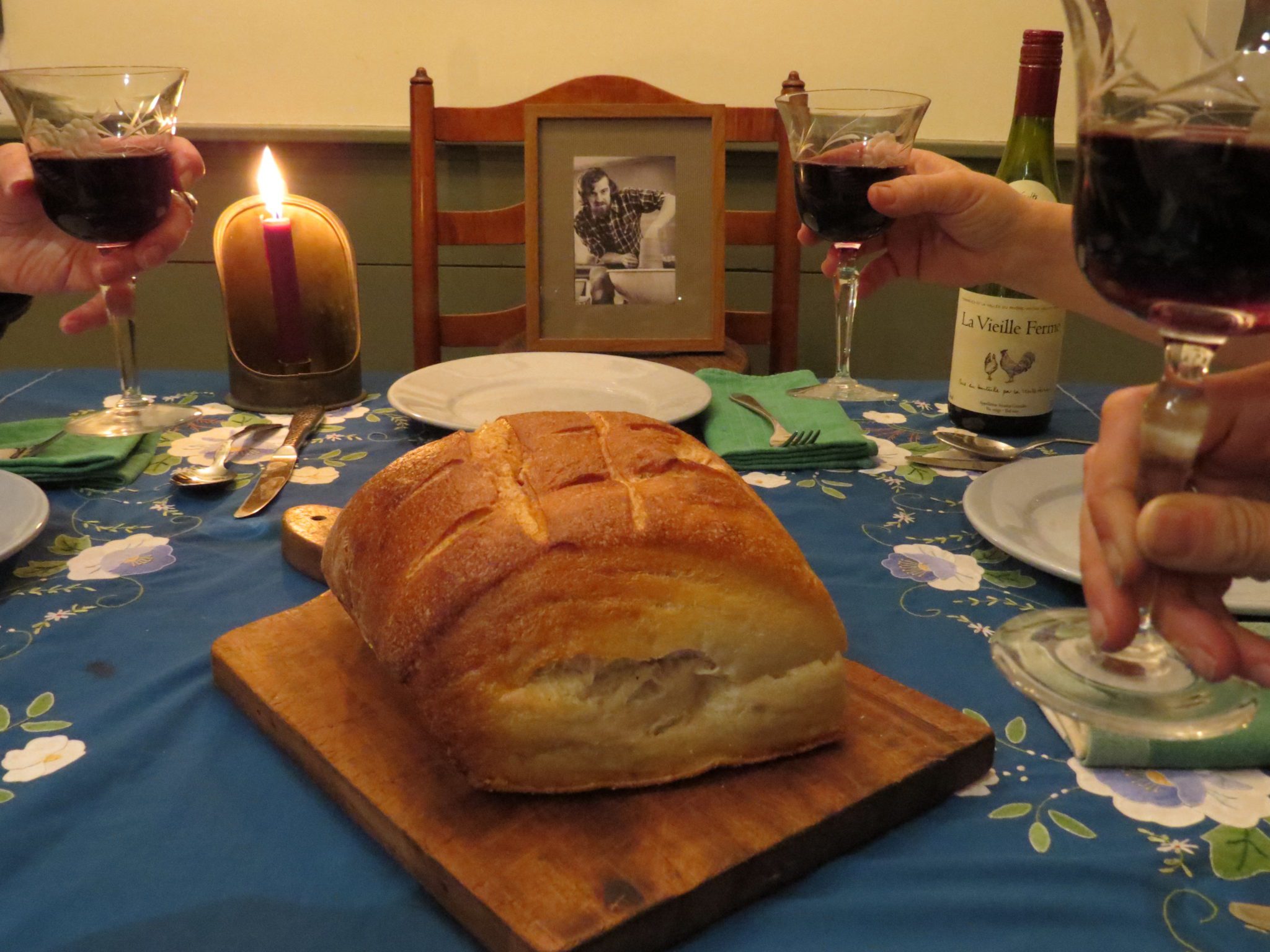


 Grade School
 Teenagers
 Young Adults
 Families
